Table of Contents
How much of your life are dental implants actually going to take up between the procedure and the finished result? Most patients walk into a consultation imagining months of dramatic downtime and walk out surprised by how little of their daily routine the process actually disrupts. The honest answer to how long it takes to heal from dental implants depends on what you mean by healing, since the immediate recovery and the deeper bone integration follow two very different timelines. Knowing both halves of the picture makes the entire process feel manageable rather than mysterious.
Key Takeaways
- Initial recovery from implant surgery typically takes one to two weeks.
- Full osseointegration with the bone usually takes three to six months.
- Most patients return to work and normal activities within a few days.
- Lifestyle, overall health, and bone quality all influence the healing timeline.
- The final crown is placed once the implant has fully integrated with the jaw.
Table of Contents
The Two Phases of Healing From Dental Implants
Healing from dental implants happens in two distinct stages. The first is the surface recovery, which involves the gums, surrounding soft tissue, and the immediate area around the surgical site. This phase looks and feels like recovery from any minor oral procedure and resolves within one to two weeks for most patients.
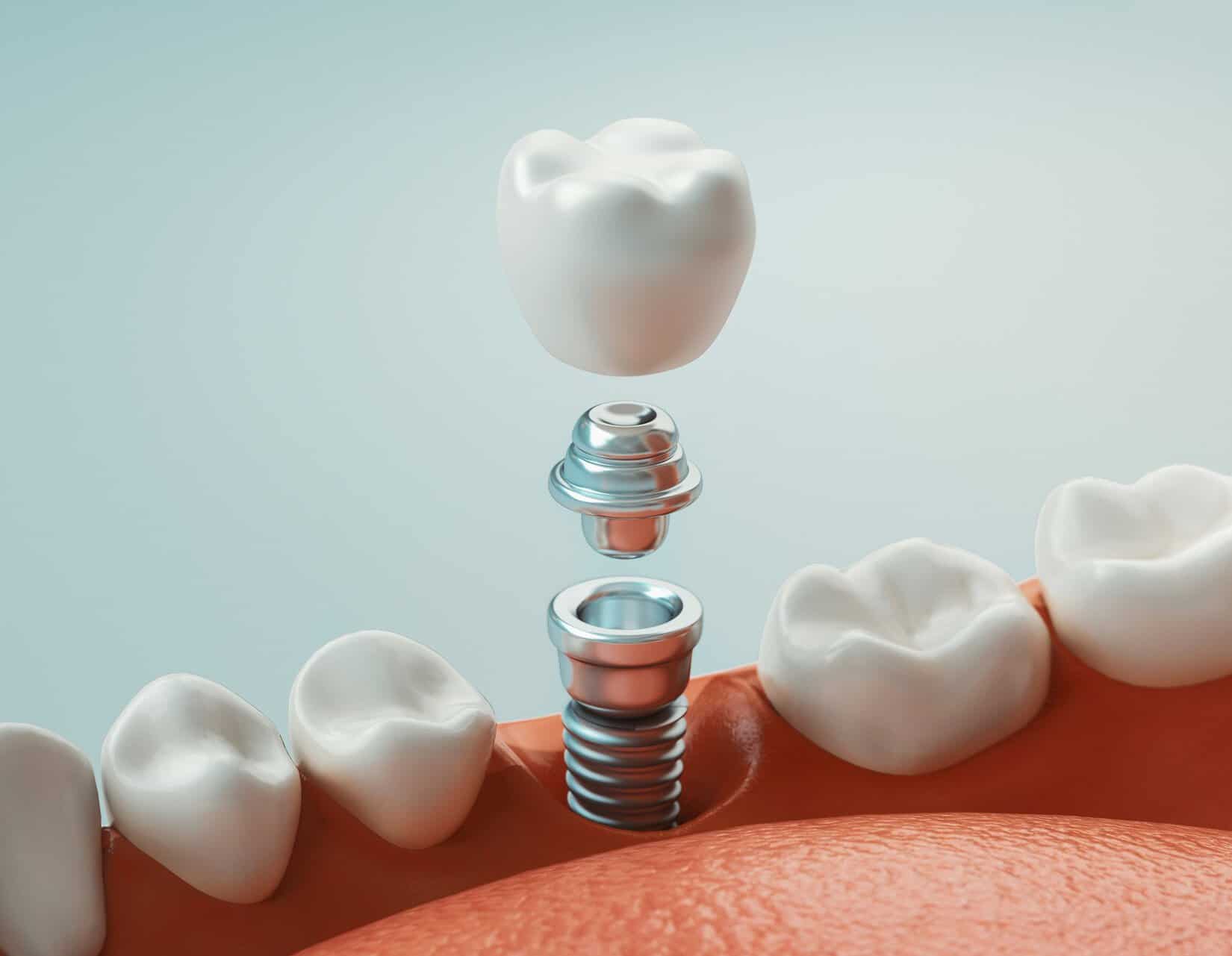
The second phase, osseointegration, happens beneath the surface and takes much longer. The titanium implant post needs to fuse with the surrounding bone, creating the stable foundation that gives implants their incredible longevity. This phase is invisible from the outside, comfortable, and does not interfere with daily life, but it is the reason the full implant process spans several months.
The First Few Days After Surgery
The first 48 to 72 hours involve the most noticeable recovery. Mild swelling, some tenderness around the surgical site, and a need for soft foods are all common during this stretch. Most patients describe the discomfort as easily managed with over-the-counter pain relievers and a couple of quiet evenings at home.
By the third or fourth day, most patients are back at work and feeling close to normal. The gum tissue continues to heal over the next week or two, and small dietary adjustments help support the area while it settles. The surface recovery is typically much milder than patients expect going in.
The Osseointegration Phase
Osseointegration is the technical name for the process by which the titanium implant fuses with the surrounding bone. This phase takes anywhere from three to six months on average, with some patients integrating faster and others needing closer to the longer end of the range. Bone quality, overall health, and the specific location of the implant in the jaw all influence the pace.
Importantly, this phase does not feel like anything. Patients go about their normal lives during osseointegration, including eating, exercising, and traveling. Routine dental visits during this period allow the dentist to monitor progress and confirm that the implant is integrating as expected before moving to the next step.
Receiving the Final Crown
Once osseointegration is complete, the dentist confirms that the implant is stable and ready to support the final restoration. A small connector called an abutment is attached to the implant, and the custom crown is placed on top. This final stage typically takes just one or two short appointments and brings the entire process to a comfortable conclusion.
From the day the crown is placed, the new tooth functions like a natural one. Most patients describe the final result as feeling so natural that they forget which tooth was replaced within a few weeks of completing treatment.
What Affects How Quickly You Heal
Several specific factors influence implant recovery and the speed of integration:
- Bone quality: Dense, healthy bone integrates faster than thinner or weaker bone.
- Overall health: Well-managed conditions and a healthy immune system support smoother healing.
- Smoking habits: Tobacco use significantly slows healing and lowers implant success rates.
- Home care: Following post-op instructions closely and keeping the area clean supports faster recovery.
- Nutrition: Adequate protein, vitamins, and hydration support the body’s natural healing processes.
Frequently Asked Questions
How soon can I eat normally after implant surgery?
Soft foods are recommended for the first few days, with most patients returning to a normal diet within one to two weeks. Avoid chewing directly on the implant site until your dentist confirms it is ready to handle pressure.
Will I have a missing tooth during the osseointegration phase?
A temporary tooth or appliance is often placed to maintain appearance during this stretch, especially for implants in the visible smile zone. The temporary keeps the area looking natural while the bone integration happens underneath.
Is there anything I can do to speed up healing?
Following post-op instructions, staying hydrated, eating nutrient-rich foods, and avoiding tobacco are the most reliable ways to support faster recovery. Adequate rest in the first few days also makes a real difference.
A Long-Term Investment Worth the Wait
The full timeline for dental implants spans a few months, but the daily disruption is much smaller than most patients expect. A few quiet days after surgery, followed by a comfortable osseointegration phase, lead to a restoration that often lasts a lifetime. A short consultation lays out the specific timeline for your situation and walks you through what to expect at every stage.
- If you want to learn more about long-lasting tooth replacement, visit our Dental Implants in Downtown Los Angeles, CA, page or schedule a consultation.